Introduction
Photography is more than just a hobby; it’s an expression of one’s soul, a vivid reflection of one's experiences and emotions. If you’re passionate about capturing moments through your lens, why not turn your home into a gallery that showcases your artistic endeavors? Creating a photography exhibit at home to showcase your passion not only transforms your living space but also allows you to share your vision with friends, family, and even potential buyers.
In this article, we'll delve deep into the multifaceted world of fine art photography, exploring various techniques and styles like abstract portraits and nature-inspired art. We’ll discuss how to curate an exhibit that resonates with aesthetic trends in art while enhancing your home interior design. So grab your camera and let’s get started!
Understanding Fine Art Photography
What is Fine Art Photography?
Fine art photography refers to images created according to the artist's vision and intended to be enjoyed as art rather than solely for documentary or commercial purposes. This genre emphasizes the photographer's artistic choices, focusing on conveying emotions and thoughts through visual storytelling.
The Role of Aesthetic Qualities in Art
Aesthetic qualities play an essential role in fine art photography. They include aspects like composition, color palette, contrast, and texture that contribute to the overall experience of viewing the artwork. When curating your exhibit, consider how these elements reflect your personal style.
Popular Styles in Fine Art Photography
Abstract Portraits- These portraits challenge traditional representations of human subjects by highlighting unconventional angles and compositions.
- Utilizing vibrant colors can evoke strong emotions and draw attention to specific details within the frame.
- Capturing the beauty of nature can provide viewers with a sense of tranquility or awe.
Preparing Your Space: Home Interior Design for an Exhibit
Choosing the Right Location
To create an effective photography exhibit at home, identify areas that naturally lend themselves to showcasing art. Consider spaces such as:
- Living Room Hallways Staircases Home Offices
Evaluating Wall Space for Display
Measure available wall space before purchasing frames or prints. Large canvases may require significant wall real estate, while smaller pieces might fit well within narrower spaces.
Color Palette in Design
When selecting frames or wall colors, ensure they complement—rather than compete with—your photographs. A cohesive color palette enhances visual harmony throughout the exhibit.
Curating Your Collection: Artistic Choices Matter
Selecting Your Best Work
The first step in curating is reviewing your portfolio critically. Choose photos that best represent your style and evoke strong emotional responses from viewers.
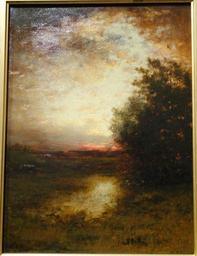
Exploring Eclectic Art Collections
Consider mixing different styles or themes within your collection for added interest. An eclectic approach can engage viewers by presenting contrasting ideas side by side.
Creative Display Techniques
Utilize various display methods for added dimension:
- Gallery Wall Inspiration: Create a grid-like arrangement for uniformity. Asymmetrical Layouts: Mix sizes and orientations for a dynamic look. Floating Shelves: Allow for easy swapping of artworks without damaging walls.
The Importance of Framing: Protecting Your Artwork
Types of Frames for Photography Exhibits
Choosing the right frame can enhance or detract from your photographs:
Traditional Frames: Classic wood frames offer timeless elegance. Floating Frames: Create depth by allowing space around the photograph. Minimalist Frames: For modern aesthetics, opt for sleek metal designs.DIY vs Professional Framing Services
While DIY framing can save money, professional framing ensures quality preservation techniques are applied—important for maintaining the integrity of fine art photography over time.
Techniques for Showcasing Your Work Effectively
Lighting Techniques for Photographic Displays
Proper lighting is crucial when displaying photographs:
- Natural Light: Position works where natural light enhances colors but avoids direct sunlight which may fade images. Spotlights: Adjustable fixtures allow you to highlight specific pieces dynamically.
Utilizing Linocut Printing Techniques
For those interested in incorporating printed versions of their work:
- Linocut printing provides unique textures that can elevate photographic prints into three-dimensional artwork.
Exploring Woodblock Printing Techniques
Similar to linocuts but using woodblocks instead; this ancient technique adds depth and history to modern photographs.
Emotional Reflection in Art
Capturing Moments in Photography
A successful photograph tells a story; it connects emotionally with its audience by capturing fleeting moments that resonate deeply. Reflect on what emotions you wish each piece to evoke when displayed together.
Thought-Provoking Imagery
Aim for images that challenge perceptions or provoke thoughtful dialogue among viewers; this engagement adds layers of meaning beyond mere aesthetics.
Enhancing Everyday Spaces with Art
Transforming Mundane Areas into Inspiring Spaces
Consider displaying art in less obvious locations such as bathrooms or kitchens where unexpected beauty can surprise guests—turning everyday spaces into artistic experiences.
Art Techniques That Fit Modern Home Decor Styles
Explore combinations between contemporary decor trends and classic artistic techniques—creating cohesion between modern design elements like minimalist decor alongside intricate photographic works.
Conclusion
Creating a photography exhibit at home to showcase your passion is not merely about hanging pictures on walls; it's about curating an experience that invites viewers into your world through imagery—a world filled with stories waiting to be told! By carefully considering aspects from lighting techniques down to how you frame each piece thoughtfully enhances their impact within any setting—it transforms personal spaces into galleries brimming with emotion!
FAQs About Creating a Photography Exhibit at Home
What type of photographs should I include?- Include pieces that resonate with you personally while also considering what might appeal broadly—variety helps engage visitors more effectively!
- Look for areas where people gather most frequently; high traffic zones often yield greater exposure!
- Yes! Professionals often employ archival materials ensuring longevity against fading—protecting investments made over years!
- Experiment using adjustable light fixtures directed toward focal points without causing glare—this optimizes visibility & appreciation!
- Absolutely! Mixing styles creates visual interest & encourages discussions around thematic connections between distinct artworks displayed together!
- Utilize vertical space creatively! Opting for high-hanging arrangements maximizes limited square footage while still showcasing captivating imagery beautifully!
By following these guidelines outlined above along with creative exploration throughout all aspects involved—from selection processes down through final touches—you will successfully create not just another exhibition—but rather an immersive experience celebrating artistry right within home sweet home!